Já visitei a Escócia várias vezes e em diferentes fases da minha vida: estudante (interrail); bastante mais tarde, voltei para visitar o meu filho, porque escolhera a Universidade de Saint Andrews para fazer o doutoramento; pouco tempo depois ali regressei, quando ele estava a viver em Edimburgo; e, claro, apressei-me a fazer uma nova visita após o meu neto escocês nascer. Numa dessas viagens, mais recentemente, fiz um passeio mais longo pelos belos castelos, com o meu filho como guia. Costumo dizer que da Escócia tenho ótimas recordações e algumas não tão boas e por isso não necessito de regressar, até porque o meu filho, nora e neto já deixaram, há muito, a Escócia e vivem em Portugal.
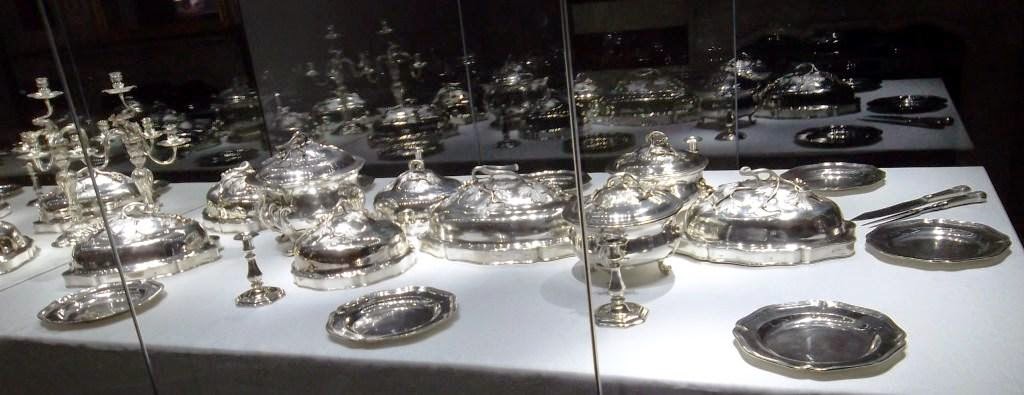
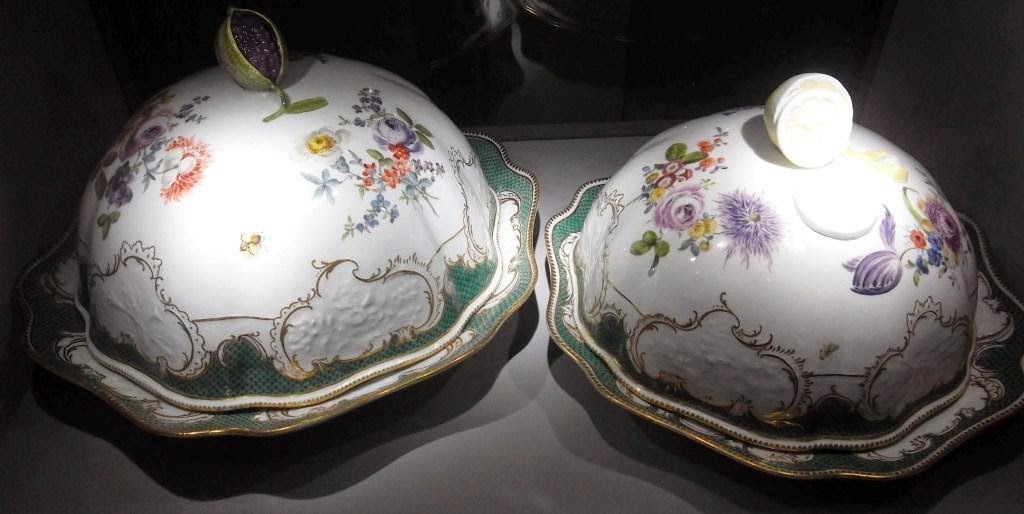
Uma amiga minha fez este ano o tour dos castelos e enviou-me muitas fotos, porque disse-me que se lembrou lá de mim, por causa da coleção de porcelanas do castelo de Inveraray.
Fiquei contente por se ter lembrado de mim. Portanto, resolvi fazer um post com as fotos que me enviou para as poder partilhar. Foi um dos castelos que não visitei, mas vale muito a pena. No sítio do castelo podemos percorrer a galeria de fotos, mas não há fotografias da bela coleção de porcelana que inclui porcelana japonesa Imari (séc XVIII), chinesa, Meissen, Derby e Worcester.


porcelana chinesa

Porcelana japonesa


Derby

Worcester
Muito obrigada G. pelas fotografias. Realmente gosto muito de admirar belas peças em porcelana.
Muito obrigada G. pelas fotografias. Realmente gosto muito de admirar belas peças em porcelana.