A minha Lista de blogues

Mostrar mensagens com a etiqueta Carl Fabergé. Mostrar todas as mensagens

sexta-feira, 3 de dezembro de 2021

Flores e Arte: Carl Fabergé


Fabergé. Rosa em esmalte pintado com folhas de nefrite num vaso de cristal de rocha (Wartski, Londres)

Fabergé in London: Romance to Revolution . Museu Victoria e Albert de 20 de novembro 2021 a 8 de maio de 2022.


sexta-feira, 14 de abril de 2017

Os Três Ovos Fabergé da Rainha de Inglaterra


No século XIX, Carl Fabergé (1846-1920), o joalheiro da Rússia Imperial desenhou um conjunto de ovos ornamentais, produzidos exclusivamente para os czares russos. Destinavam-se a ser oferecidos, pelos membros da família Imperial durante a Páscoa. Cada ovo constituía uma criação única e era incrustado com pedras preciosas. Demoravam cerca de um ano a produzir, no maior segredo, com pequenas surpresas no interior. Tornaram-se peças de arte apreciadas em todo o mundo e reconhecidas pelo seu valor (ao preço de hoje custariam de 76.000 a 900.00 euros).

O primeiro ovo Fabergé remonta ao ano de 1885 quando o Czar Alexandre III e a Czarina Maria Feodorovna da Rússia celebraram o vigésimo aniversário de casamento. O Czar encomendou um elaborado ovo para oferecer à mulher na manhã de Páscoa. Após a morte de Alexandre III, o seu filho Nicolau II manteve a tradição. De 1885 a 1916 foram produzidos dois ovos quase todos os anos: um para a sua mulher, a Imperatriz Alexandra Feodorovna (neta da Rainha Vitória) e outro para a mãe do Czar.

Esta tradição dos Czares Russos terminou fatalmente, em 1917, quando todos os bens da coroa foram confiscados e mais tarde a Família Real foi assassinada. Muitos ovos foram então vendidos no estrangeiro.

Ovo Cesto de Flores 1901


Havia apenas 50 ovos imperiais no mundo. Oito deles desapareceram e nunca mais foram vistos.

A Rainha Isabel II de Inglaterra possui a maior colecção privada- três ovos: o Ovo Cesto de Flores; o Ovo das Colunas; e o Ovo Mosaico. Foram todos oferecidos à czarina, descendente da família Real Britânica e comprados pela Rainha Mary, mulher do rei Jorge V, nos anos trinta do século passado.


Ovo das Colunas  1910

A forma deste ovo evoca um templo de amor. Os dois pombos ao centro representam o afecto entre o Czar Nicolau II e a sua mulher. Os quatro querubins simbolizam as suas quatro filhas : Olga, Tatiana, Maria e Anastacia. O cupido no cimo é o herdeiro do trono.
Infelizmente tanto as cinco crianças como os seus pais foram tragicamente assassinadas em 1918, durante a revolução bolchevista.
Mais tarde este ovo foi comprado pela rainha Mary, e oferecido ao marido, em 1931.

Ovo Mosaico 1914

O Ovo Mosaico foi também encomendado pelo czar  Nicolau II da Rússia, que o ofereceu à sua mulher. Foi posteriormente comprado pela Família Real Britânica, em 1934.


quarta-feira, 4 de abril de 2012

Easter


Traditionally the main gift at this time of year is an egg. It symbolizes a new life and is a sign of a new beginning, as winter is over. In Victorian England hard boiled eggs were painted and rolled down the hills to symbolize the stone which was rolled away from Christ´s tomb.


Nowadays chocolate Easter eggs are also popular in Britain. Sometimes people hide Easter eggs and children look for them. The first chocolate eggs were introduced in England in the 19th century.


 Fabergé eggs in the Kremlin Museum

During the 19th century Carl Fabergé (1846-1920), the Russian Imperial Crown jeweller designed a group of elegant ornamental eggs that were exclusively made for Russian Tsars. These eggs date back to 1885, when Czar Alexander III and Czarina Maria Feodorovna of Russia were celebrating their twentieth anniversary and Alexander III ordered an elaborately decorated Easter egg to give to his wife on Easter morning.

Each egg is a unique creation encrusted with precious jewels. Inside the eggs were hidden miniature surprises. The eggs were given by members of the imperial Family as Easter gifts.


There are 50 Imperial Easter Eggs in the world. Queen Elizabeth II owns the largest private collection: three. It was King Edward VII and his wife Alexandra who started the royal collection of Faberge works.

These eggs created by Faberge for the Russian royal family have become well-known pieces of art around the world.


The Mosaic egg was made for Nicholas II of Russia, who presented it to his wife, the Empress Alexandra Feodorovna (Queen Victoria´s granddaughter) in 1914. It was later purchased by the British Royal Family in 1934.


The Fabergé Diamond Jubilee Egg
Crafted with precisely 500 grams of rose gold, the one-of-a-kind egg is topped with 60 gemstones—one for each year of the Queen’s reign.The Diamond Jubilee Egg is valued at $157,850 and is the top prize in the
The Fabergé Big Egg Hunt. It will be on display at the Fabergé boutique from February 21 until April 1, and then at Harrods in Knightsbridge from April 2 -8.


Maundy Thursday
Maundy Thursday commemorates the Last Supper of Jesus Christ with the Apostles. The term “Maundy” comes from the word “mandatum,” Christ’s commandment to love one another.


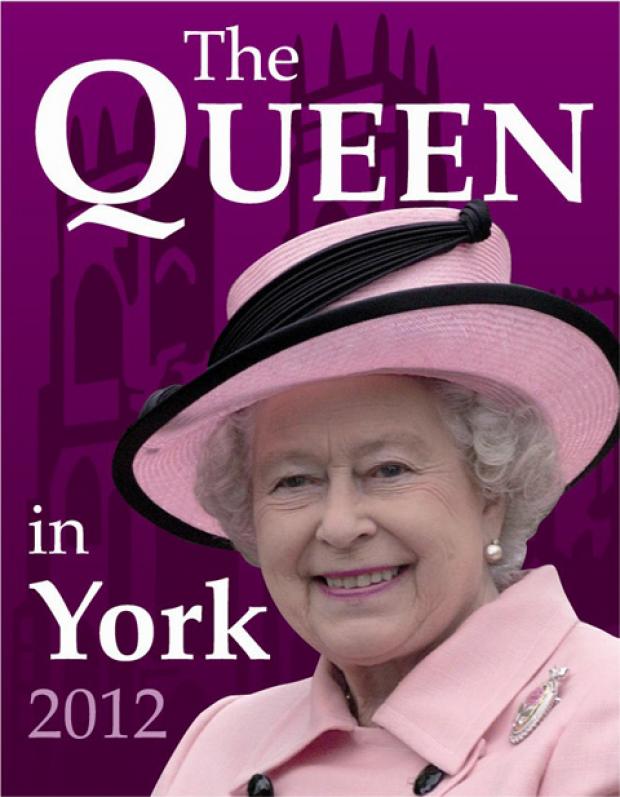
On this date the Queen distributes Maundy money to an equal number of men and women. The number of recipients is related to the mon­arch’s age. Buckingham Palace says the tradition of the mon­arch handing out money to subjects dates back to the 13th century. The source of the coins and the honour of receiving them make them more valuable than their face value: a few pennies totaling the age of the sovereign.


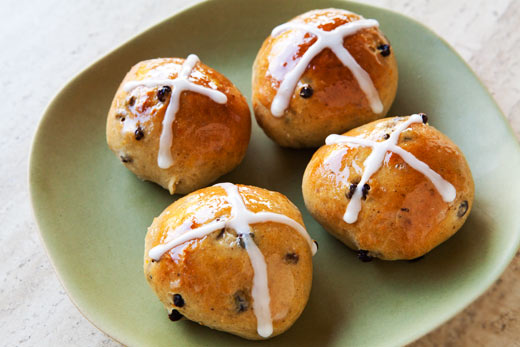
Hot cross Buns


On Good Friday Christians remember Jesus who died on the cross. In Britain hot cross buns are popular on Good Friday.

No Easter would be complete without these
spiced buns.


References:

Burrell, Paul. In the Royal Manner. Warner Books, 1999